Featured

Facebook Advertising

Facebook Advertising Overview: 

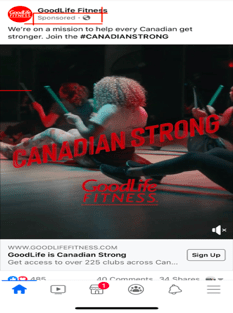
       Social media has become one of the biggest powerhouses in our lives and Facebook realizes that. Facebook ads are a great tool to get your business in front of the right audience, as long as you know what that is. Before you create an ad on Facebook you first need to decide what your goal is. Say I was working for a distillery and I wanted to create some ads on Facebook, our main goal for these ads would be to get people liking and commenting so that they are aware of our products. After you chose a goal, you need to decide who your target audience is. Below is an ad from my timeline that is a paid sponsorship. You can recognize this as a paid ad by the word “sponsored” below the company name. (Adams, 2019) 


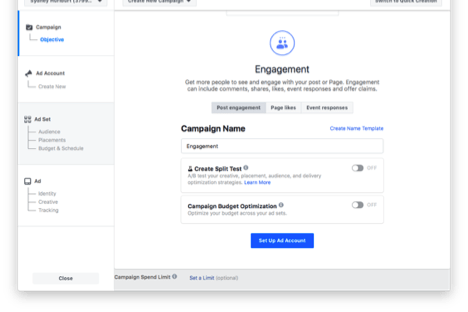
           When you do choose to advertise on Facebook, it allows you to choose different campaigns that have different objectives. Facebook does a great job in outlining the ad types, the purpose and in the end what they are going to look like. When you decide that you want to create a new campaign with Facebook it will first ask you to select from three objectives, to help configure the perfect ad for your company. The three categories are;

· Awareness- Generate interest 

· Consideration- Get the people to start thinking 

  · Conversion- Encourage people to purchase 

How Facebook Ads Work: 

        We are almost ready to start creating ads for your business. Before that can happen, you need to link up a credit card or another form of payment. To find this section, you will head to the ad’s manager, found in the same section as we previously talked about. Don’t worry, you can always change your ad amount if you are not satisfied with it. 

           I think one thing that people don’t understand with Facebook ads is that they are organized into three levels which are campaigns, ad sets, and ads themselves. Campaigns are the objectives you set for your ad. Inside campaign is ad sets. This is where you decide your target audience and placement. Going back to the distillery example, I would probably want to only target the areas that my product sells in. Lastly, the ad itself. Within Facebook, you can use multiple pictures for different target audiences and can see which one performs better.

           The last thing that needs to be done before creating your ad, is to select an ad based on your objectives. Remember in the second picture there were three different columns to choose from. This is where you will select one and start creating your ad. As we talked about previously for the distillery, I wanted to create an ad that had lots of engagement. I have selected that column. Following this step, we are almost ready to have an ad posted on Facebook. (Adams, 2019)
How to Create Facebook Ads:

               We are getting so close to having our first ad on Facebook, but we now need to select our target audience. This is a very important step as these are the people that are going to interact with our ads. On Facebook, we can select everything from location, age, and language. Detailed targeting is another great tool to narrow down your target audience. While working in this detailed targeting block, we can select options that people may be interested in. If we were choosing a detailed targeting list for the distillery, we would go with people who like to drink and enjoy distilled beverages. 

The next step following your target audience is making sure that you know what your budget will be. Optimization for Ad Delivery will help look at each ad objective specifically and set a budget. In the video, Megan Adams talks about the most important part of being how much you are going to spend. You can either create a daily budget or a lifetime budget. (Adams, 2019) 

It is finally time now for the creative part of ads. Creating your ad! The first step is an ad name. You will want to choose something that is going to draw the reader’s attention. With this step you can choose photos, video’s or any media that you want to set with your ad. If you ever find yourself stuck, a great tip is to always look at what your competitors are doing. But remember, always make it eye-grabbing to your customers. 

View Your Advertising Data:

        The Facebook ads dashboard is a great location to keep in the back of your mind. This is where you will find all the information about the current ads you have running. When you open it, you will see four different sections. All with a lot of different information. 
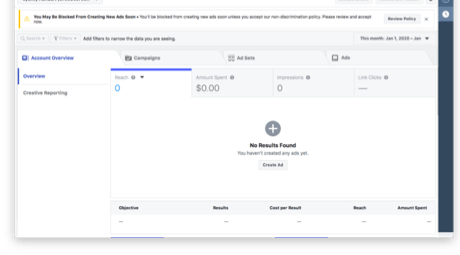
You will see in the above screenshot that is what your ads dashboard will look like. Since I am not running an end everything is blank, but this is where all the important information would be found on the progress of your ads. 

Understanding the success metrics is key to be able to adjust your ads so that they are appealing to more people. In this report, you are going to be able to see how many clicks your ad got, cost per click and the cost per result. Each ad is different, and some metrics won’t apply to your ad, so you must figure out which ones mean the most to your ad campaign. 

Lastly, viewing your billing summary. It’s important to continually look at your spending so that you know if the money you are spending isn’t being wasted. You can tell which charges occurred and to what campaign they attributed to. Being up to date with what you are spending is crucial.

Implement Best Practices:

           Lastly, we are going to discuss some tips for writing a great ad. The first tip is that you need to have a clear objective. This will allow your customers to know exactly what you want from them. Secondly, you will want to have clear and eye-catching images. For the distillery example, if we are using a boring image, people aren’t going to even glance at the ad because it doesn’t draw them in. Creating a life experience in an ad will draw the customer in and make them believe in it. 

           One tip to keep in mind while you are selecting an image is to make sure you are not choosing images that your competitors are using. If you do, this could cause a huge setback for your company, as you could get called out for copying. (Adams, 2019) 



(Stock Photo, 2020)

One last thing to keep in the back of your mind before we wrap this all up is that you need to remember the different policies that Facebook has with posting images. You will not be allowed to post anything with more than 20% text on them. The less text on them, the higher the quality of the advertisement. Another policy is that if you are targeting alcohol, you have to target the audience that is old enough to purchase it. 

Conclusion: 

We have just covered a lot of material all about how to get the best ad onto Facebook for your campaign. Facebook is one of the greatest and simplest tools to get an ad campaign out to the public and be able to narrow down your target audience. If I were going to set up an ad campaign through Facebook for the distillery we have been talking about, I would first go through my objectives, then target audience, followed by setting up my campaign itself. 


(Adomas Baltagalvis, 2018)

References:

Adomas Baltagalvis. (2018, February 2). A Beginner’s Guide to Facebook Ads: A Simple Step-by-Step Tutorial. Retrieved January 31, 2020, from Oberlo website: https://www.oberlo.com/blog/the-beginners-guide-to-facebook-advertising

 (2020). Retrieved January 31, 2020, from Linkedin.com website: https://www.linkedin.com/learning/advertising-on-facebook-2/next-steps?u=2109516

Stock Photo. (2020). exciting or boring go for thrilling adventure and not for dull.. Retrieved January 31, 2020, from 123RF website: https://www.123rf.com/photo_66008029_exciting-or-boring-go-for-thrilling-adventure-and-not-for-dull-routine.html
Google Ads Search Certification

Grow your Business with Google Ads:

Hello and welcome back to another lesson! Today we are going to be talking all about Google and how it can be crucial in expanding your business. Let’s dive right in and begin discussing Google Ads.

How many times have you opened your computer and found yourself searching for information through Google? So many people turn to this search engine to find out the information you are searching for! In this section we will learn how google ads can help you get your information to people when they are searching for it.

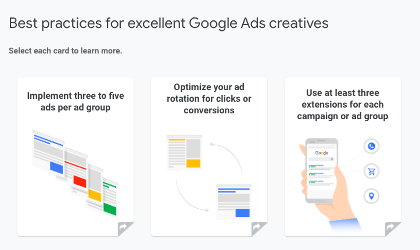
Your advertising campaign should always align with the objectives you have set for your business. Google ads can help with that by:

  • Drive sales
  • Get leads
  • Increase website visits
  • Influence consideration
  • Build awareness
  • Promote your app

Getting the benefits of Google Ads is constructed around three principles:

  • Relevance: Your ads can appear on Google Search and YouTube when someone searches for a service like yours.
  • Control: Google Ads gives you the control to select your budget.
  • Results: You only pay for results (clicks or calls).

Google Display ads appear across a network of more than two million sites, reaching 90% of people on the internet. Display campaign is a great tool to maximize exposure and reach audiences with narrowed down interests.

Video ads are another great tool. You know when you are watching a video on YouTube and an ad pops up right in the middle. Well wouldn’t it be great if that ad was yours?

Specialized campaign types:

  • Local: Store visits or in store sales.
  • Hotel: Display hotel prices and availability.
  • Discovery: YouTube, Gmail and Google’s Discover Feed

Explore the Value of Google Search:

Prospective customers are searching for a product like yours in Google right now! With google search campaign, you will be at the top of the list. Before we get started, I’m sure you’re asking yourself if a google search campaign is the right solution for you? Here are some questions to ask yourself:

  • Do you want your business to appear when users are researching and comparing different options?
  • Do you want your business to be there at the exact moment someone is looking for the kinds of products you offer?
  • Do you want your business to show up on search results when businesses similar to yours are showing up?
  • Do you want to learn about what users are looking for and the ads they’re engaging with so you can come to an informed decision on how to add more value to their lives?

If you answered yes to any of these questions, then let’s get started on a google search campaign for you!

Let’s begin by setting up a search campaign. Begin by opening up your google ads account and selecting your campaign’s marketing goals. Secondly, you will need to select the google search network. Not only will your ads show on google but also on the hundreds of sites that google partners with! Finally, you need to determine the budget for your strategy.

We are now ready to start designing the ad for your campaign. You will need to decide what text, phrases or themes you want highlighted on your ad. Having a key word for your ad is important as this will narrow down the search. When creating these key words, it is best to put yourself in the customers shoes. Ask yourself what words they would put into the search bar.

Understand the Google Ads Auction:

First question that I’m sure you’re asking is what even is google ads auction? Google ads auction is a way of deciding which ads will show and how they’re positioned. It works by ranking the ads that appear on search results and determine the cost for each click that it receives.

You yourself when you are searching something in google only want to see relevant ads and google wants to provide a good experience for their users. Google will rank each ad (Ad Rank) and with this rank will determine which ad gets the highest position.

When you get the highest ranked ad is means you have five factors:

  • Bid: You set the best bid for the ad
  • Ad rank threshold: Achieved the minimum quality threshold
  • Context of query: Have the best context that makes sense with the ad
  • Ad extensions impact: Your ad extension impacts your ad in a positive way
  • Auction-time ad quality: Information is relevant and useful

There are also three main factors that are used to determine the quality of an ad:

  • Expected clickthrough rate
  • Ad landing page experience
  • Ad relevance

Improving your Ad rank:

Quality score is an estimate of the quality of your ads, keywords, and landing pages. This is composed of clickthrough rate, ad relevance and landing page experience. To improve your ad quality these three factors to focus on can help you out:

  • Expected clickthrough rate
  • Ad relevance
  • Landing page experience

Deliver the Right Message with Text Ads:

Let’s begin by even defining what a text ad is. They are simply an ad made up of text. It’s a very simple but very powerful way to get your business in front of people. A great tip for a text ad is to be informative, relevant and engaging. Think of a text ad as a front door, the most important information should be first and visible. There are three things that make up a text ad:

  • Headline
  • Description
  • URL

First let’s go through the list of how to create a text ad for you!

  1. Sign into your google ads account
  2. On the page menu, select ads and extensions
  3. Select the + button and chose the text ad
  4. Enter the three things we just previously talked about
  5. When your certain its perfect save it!

Responsive search ads create ads that adapt to show more related information to your customers. After you enter in the headline, description and URL google will assemble the text into multiple ad combinations. The benefits of responsive search ads are:

  • Flexibility
  • Relevance
  • Reach
  • Performance

Make Ads Relevant with Search Ad Extensions:

 You may not know this but ad extensions improves the experience and increases engagement. Users are looking for relevant information, information based on their moment, and ads that contribute to their experience. Providing this information not only increases engagement but also better ad quality and more qualified leads.

Sitelinks direct to specific sections of the website. They are added links that appear just under the text of your search. The benefits of these are:

  • Increased engagement
  • More conversions
  • Easy to manage

Asking yourself why you should use sitelinks? Here is why:

  • Driving store sales
  • Making online conversions
  • Raising brand awareness

Callout extensions are 25-character texts. The benefits are:

  • Boosts engagement
  • Easy to implement

Again, the same reason that you should use sitelinks is the same for callout

Lastly, structured snippets allow you to describe features of a specific product or range of products. The benefit of this is that you get more qualified leads. The reason you should be using these are in you work in the industry of:

  • Amenities (Wi-fi, breakfast, pool, gym, or spa)
  • Types (Different types of a product)
  • Destinations

Increase Efficiency with Automated Bidding:

Bidding is a huge market for online marketing. This can impact how your campaigns perform and dictate where your ads are placed.  When you select to auto bid you need to keep in mind performance, auctions, and user journey complexities.

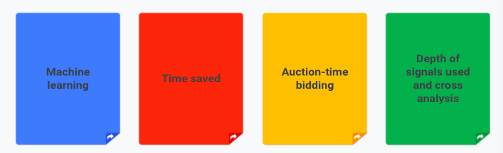
Here are the benefits of using automated bidding:

Selecting the right bidding strategy will make sure you have the up-most success with your promotional campaign. Next we are going to discuss the strategies that you are able to choose from.

  1. Awareness-based bidding- Goal is visibility
  2. Consideration- focused bidding- Goal is clicks
  3. Conversion- focused bidding- Goal is conversion
  4. Revenue- focused bidding- Goal is Revenue

Reach Valued Customers with Search Audiences:  

Google’s Search Audiences will allow you to create audience lists that you want to target. With this you are able to combine the intent, have insights, and have the right bid and message. People expectations for technology has drastically changed over the past few years which means you also need to keep changing and constantly updating along with it.

Let’s quickly go over the marketing goals that you could possibly have for your campaign:

  • Awareness: Detailed Demographics, Affinity Audiences
  • Drive consideration: In-Market audiences, Remarketing Lists for Search Ads (RLSA), Similar Audiences for Search
  • Increase purchases and loyalty with your existing customers: Customer Match, Remarketing Lists for Search Ads (RLSA)

Google Audience solutions can help enhance your search strategy by variable bidding, keyword expansion and creative customization.

The biggest thing to keep in mind is that customers love when they are always in control of what ads they are seeing. They will know why they are seeing that ad.

Affinity Audiences combines the interests that a user has paid attention too and allows them to research more into in through multiple channels.

Detailed Demographics allows you to reach customers based on the activities from google.

In-Market Audiences allows you to reach people that have the INTENT and INTERESTS to buy your product will increase your sales and traffic to your website.

We just previously touched base on the term RLSA but you are probably wondering what it means. It is simply allowing you to serve unique ad creatives and set your ad group bids differently (Skillshop, 2019).

Boost Performance with Optimization Score:

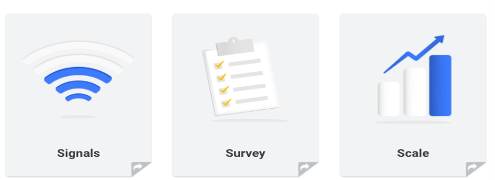
Optimization score is basically a system that assesses how well your search campaigns are performing. It runs on a percentage scale, with the higher the score the better the campaign is running. Not only does google optimization assess this but it will also give you recommendations on how to improve this score.

The benefits of running this kind of program is:

  • Instant results
  • Customized scores
  • Scalable scores and recommendations

Optimization runs on an algorithm that assess key parts of your campaign. These points come from a combination of 50 recommendations of models and simulations to create a score for you.

Increase Conversions with Performance Planner:

The very last thing that we are going to discuss for this lesson is the most important aspects to be able to achieve the most success with Google. Previously mentioned was the importance of always evolving just like marketing is and making sure you are planning. Planning in advance will ensure the future spending, seeing incremental opportunities, setting bids and searching for new opportunities.

Performance planning is a brand-new forecasting tool in google that will help you arrange your campaigns. It simply works by determining bids, budgets and performance.

Choosing performance planner over a traditional method is crucial for growth as it will highlight growth opportunities based on the campaign you have set specially for the google data and the historical performance (Skillshop, 2019).

The best practices while using performance planner every month is to create separate plans for each marketing objectives, set bids and budgets using non-last click conversions and lastly regularly checking your plan (Skillshop, 2019).

Conclusion:

After completing this course, I hope that there is at-least one item that you can take away. For myself coming into this lesson I was convinced that I already know everything there is about google but was I ever wrong! I would have never guessed that google can be so beneficial for my company. One main key that I will keep with me is google auction and how you are able to bid for the best placement of an ad on google.

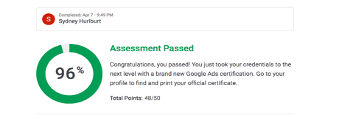
After seeing my results from the assessment, I know that the learning I just did was valuable, and I did learn lots.

References:

Skillshop. (2019, September 7). Google Ads Search Certification. Retrieved April 4, 2020, from Google website: https://skillshop.exceedlms.com/student/path/18128-google-ads-search-certification

Social Media Marketing

Introduction:

Welcome back to another post! Today we are doing to be discussing social media marketing! I hope you can take something away from this week’s discussion, let’s dive right in! 

Social Media KPIs and Tools for Measurement:

A big decision that almost every single company will have to ask themselves is whether being on social media is worth it or not. Society now-a-day is hooked on social media so doesn’t that mean so should your business? The answer is yes, your company should be on social media as long as you are using it the right way. Let’s dive into why and how to manage the best social media accounts for your business. 

In the video, the instructor refers to four pillars as being a full business strategy (Gil, 2019). Those pillars include: 

  • Content (what the user will see)
  • Community (Who sees the content) 
  • Consistency (Posting on a regular schedule) 
  • Conversion (Effectiveness of the post) 

Now it’s time to discuss KPI’s also known as Key Performance Indicators. This is a critical aspect of social media as you need to monitor how your content is doing, and if it is engaging the correct audience. Engagement includes likes, comments, and shares. This means that physical activity has been taken. Tools such as BuzzSumo, Keyhole, NetBase, and Brand24 are great tools to help monitor these social media marketing efforts. 


Decoding Social Media Analytics: What Does It Mean?

Let’s start this section by talking about Facebook insights data and how it can be helpful for your company. This is an important aspect to record clicks, leads and overall brand awareness. Your companies Facebook business page will be a crucial part of success as social media has become a huge channel used by just about everyone. In a recent blog post that I wrote, you can read all about Facebook Business. 

Facebook is one of the most affordable places to drive ROI through an advertising platform, and it is also an easy channel to navigate through. On Facebook Business you can choose a target audience and that is a big tip to be successful. You can customize age, gender, profession and interests which is very specific. The instructor refers to Facebook like a casino, the more money you spend, the higher the likelihood you have of winning the customer acquisition (Gil, 2019). 

One issue with a Facebook post is that is only lasting and will be relevant for up to 24 hours unless it gains massive traffic from customers. A great tool that Facebook offers is called “boosting”. This way you can revive old posts and get the community engaging with it again. 

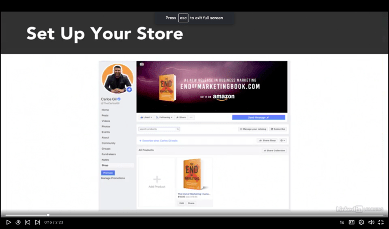
Through additions and new features, Facebook is now a shoppable website. Setting this up on your site can simply be done by clicking on the ‘shop’ button on the left side of your page. You can add any product that you wish to upload. A great recommendation is to continue sharing and expanding the store that you have added to Facebook. 

Lastly, we are going to discuss Instagram. This is another channel that has become widely known and used by a lot of users. Most users base the success of a post off of likes and comments, but in reality, they should be more focused on bookmarks and shares. Comments are a valuable tool to engage directly with a customer. If they comment, you should reply to them even if it’s just sending a smiley face or thumbs up. In the end, Instagram is a great way to keep a community going. 

Driving Measurable ROI on Each Channel:

The next step that we are going to discuss is building a recognizable personal brand on LinkedIn. LinkedIn has over 500 million users which makes this the powerhouse for business networking. LinkedIn allows you to search and connect with so many professionals that could add to your business, the only downfall of LinkedIn, is that it does not allow you to access the same analytics as Facebook or Instagram as we have previously talked about. 

Have you ever wondered who is looking at your profile? A great tool that LinkedIn has, is that you can view those sorts of data. From your LinkedIn profile, you can see a list of the number of clicks and exactly who was looking at your profile. 

As we jump from channel to channel, we are going to discuss a platform that I hardly ever use anymore, which is YouTube. Did you know that you can make money from getting views on your videos you post? To achieve that though, you must have at least 1000 subscribers. Videos can be a valuable asset to your company as they could show how your product works, users using them, or tips and tricks for using them. Plus, they could be very cost-effective for your business. 

The last channel we are going to discuss is Twitter. Twitter is a site that you can just post a paragraph or an image. Twitter is a site that you need to be constantly posting on, once a day won’t cut it. Again, this site has robust analytics that enables you to learn more about your audience and who you are essentially reaching with your posts. 

Bonus Strategies for Maximizing ROI:

Twitter cards offer you a way to make your content stand out. It is an easy growing hack to improve click-through conversions. It does require constant updating and creativity, making sure that is it standing out against your competition. 

Yes, when you are scrolling through Instagram it gets tiring seeing ad after ad. An effective way to intrigue people into seeing your company is to create Instagram stories. It is a great way to tell a story with creativity and have a call to action. These stories however only last for 24 hours. 

We have almost reached the end of this blog, but before we go, we are going to talk about measuring site visits with Bitly and Google Campaign URL builder. If you are posting daily, but not measuring the impact then you need to change your habits. Bitly is a really easy tool to use that measures website clicks for free, along with demographic data. Google Campaign URL builder, however, is more advanced as you can create a campaign with multiple links. You can track several channels, which is super important to the success of your business. 

Conclusion:

An important aspect that we have just talked about is KPI’s or also known as Key Performance Indicators. I have previously worked for a Distillery where I was the marketing rep. A big part of my role was to handle all of the social media content, which means that monitoring the posts that I was posting was crucial. I would check the clicks and visits to our website, watch-throughs on the videos, and likes. This helped transform my posts to the best possible that would get the most engagement and possibly a new customer at the end of the day. 

References:

(2020). Retrieved March 10, 2020, from Linkedin.com website: https://www.linkedin.com/learning/social-media-marketing-roi-2/the-roi-of-social-media-marketing?u=2109516

Get Started:

Hello, and welcome back to another overview of a video. This week we will be looking at Social Customer Relationship Management. We will follow Megan Adams as she takes us through the steps on how to grow brands and businesses through relationships. Adams describes social CRM as a way to help combine all the information pulled from social media and other conversational platforms (Adams, 2020). Let’s get started! 

Develop Your Strategy:

As said previously above CRM helps to combine all the information pulled from social media and other conversational platforms (Adams, 2020). With social CRM you are pretty much developing better sales tactics and are able to focus on market trends, making your company the most amount of money that you can. 

Social channels like Facebook, LinkedIn, Instagram and Twitter are taking up so much time in the CRM world and making it more complex for organizations to track, measure and analyze data based on those social media channels. With social CRM you are able to engage better with consumers in an efficient way. If your company is able to manage and analyze better, it will create a better brand promoter. Wanting to add social CRM to your tactic? The first step is to use social media platforms to monitor the behaviors of your consumers. The next step would be to focus on sales. Understanding where, what and when to promote, will be the most important part of getting the engagement with consumers. 

Our next step in developing our strategy is choosing a social CRM platform. There are three main ways that a platform is set up, and those are split into sales, customer service, and support. When selecting a platform consider how many users will be active, the size of your business, and which system will allow the biggest growth for your company. 

The last step of developing your strategy is to allocate your resources, which is the most important step to having the most success. First off you will need to know who is going to be making the big decisions in your company. After you have labeled your influencers, you now need to decide your budget. Having a set budget will allow your influencers to make decisions and strategies but not overspending.  

Manage Social CRM:

Adams begins this section by defining a true influence that drives action, not just awareness. And as marketers, actions should be the main goal (Adams, 2020). Influencers nowadays have so much power over what we purchase and buy, that most companies will get a highly known celebrity to represent their company to hopefully persuade people into purchasing the product at hand. 

Here’s a question that you need to ask your business, how does your organization engage with your potential clients. When deciding what is the best possible way that your organization can reach your clients, you need to put yourself in their shoes. Where will they interact with your product, will they see that video you just posted, and are they going to feel overwhelmed with how much advertisement you are putting out. These are just some simple questions to ask yourself when thinking about engaging with prospects. Social CRM strengthens the relationship you have with your prospect on whichever social media channel you have selected. 

Lastly, we are going to discuss customer service. Social CRM helps the customer service team to better support your customers. They will know who, why and what they are talking to the customer about. Adams describes CRM as a process to maintain and retain the customer long term and the relationship development is designed to improve customer retention (Adams, 2020). We just previously talked about monitoring and keeping track of everything regarding your company and the relationship it has with the customers. 

Yes, when you’re dealing with customer service, you are always going to get the people that complain. The key to handling these situations is to talk to the customers and figure out why they are sending negative feedback, and to help them out in the best way that you see fit. 

Your Toolkit:

Process documentation is any document that supports the process for your organization (Adams, 2020). This is the most important step for ensuring long term success. These documents include sales, marketing and customer service information. These could also be referred to as your company’s ‘roadmap’. A question to ask yourself about your company’s roadmap is when will you perform social media monitoring, and when it will be the most successful. 

Finally, the last item that we are going to talk about is analytics and why they are important for your company to be successful. We have been discussing a lot about monitoring and tracking information to enhance the customer experience. Here are some tips and tricks regarding analytics and social CRM. First off you need to start small, don’t bite off more than you can chew. You can always expand once you get going. Customer analytics is a competitive advantage, so sticking to something small to improve will bump you ahead faster. 

Conclusion:

Now that we have finished all the important steps of social CRM, it’s time to review it quickly. If I was working for a company, the first step would be my strategy. This would include posting on Facebook, Instagram, Twitter or any other platforms you see fit. Secondly, we would manage CRM. Getting an ambassador for my company is a great idea to get customers to purchase my product, as long as the ambassador has a positive image. Lastly is working on your toolkit. Your tool kit includes documents and analytics that will be important to continually go over for constant improvement. 

References:

(2020). Retrieved March 4, 2020, from Linkedin.com website: https://www.linkedin.com/learning/social-media-marketing-social-crm/welcome?u=2109516

LinkedIn Learning for Students

Introduction:

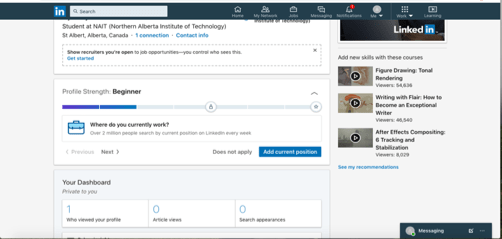
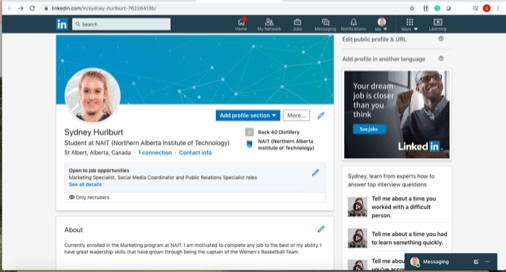
Hello and welcome back! Today we are going to be discussing the importance of LinkedIn for students and ways that you could improve your profile. For myself, being a student, I am always on the lookout for job opportunities, and wanting to maintain a professional network. Let’s dive right in and get to work on updating your LinkedIn profile! I have attached my profile so that we can see the updates as we go along!

Create a LinkedIn Profile:

            The first step is making sure that you have a LinkedIn account, if you already have one then you can skip this step. If you still are a student then make sure that you click yes to making a student account, they will customize your account based on this. LinkedIn allows you to choose exactly what you are looking for, that could either be finding a job, staying up to date with the industry, keeping in touch with contacts, or building a professional network (Schinkten, 2018).

            After we have set up your account, next step is to add a profile picture. Schinkten believes that adding a profile picture will allow your profile to receive far more views that those who don’t (Schinkten, 2018). To set this up simply click on the camera icon and select a photo from a file on your computer. Next is to select a background photo. The default blue background works just fine, but if you want to update it click on the ‘update here’ and select a new image so that your profile can stand out even more.

            We are so close to getting your LinkedIn profile active, but first you may want to change your headline. This is the first thing that employers will read on your profile, so make sure it is engaging. If you are not a student, most people will have their job title followed by the company. Use something that defines you and what you are going to become. Another good thing to add to your profile is your work experience or volunteering. Recruiters love to see what kind of experience you have. 

            Now we will move into the most important part of your profile, which is your summary. Schinkten states that he is shocked at how many profiles he views that do not have a profile summary. This is an opportunity to share some of your accomplishments and your mission statement (Schinkten, 2018). To set this up, click on the pencil icon, and add it in. You will want to make sure the first couple lines are eye grabbing and intriguing as those are what are going to show first. Make sure you find the best keywords that work best for you.

            Before we move onto building your network, I want to convey that you are going to spend a lot of time creating and improving your profile. You should never stop updating it and make sure to devote attention to it, most of the time your LinkedIn profile is the first thing that recruiters will see when they google your name.

             Here is my final LinkedIn profile following those steps. Is it not yet complete but I don’t think that it ever will be fully finished, a key is to keep updating it and adding new information in!

Build Your Network:

The next step that we are going to work on is creating a professional network. This is one of the most empowering things that you can do. Creating a strong network will allow the door for job opportunities to open, and resources to be easily accessible. Schinkten states that two of the most popular ways that companies find new hires are through employee referrals and social professional networks (Schinkten, 2018). 

Now that we have our LinkedIn profile finalized, it is time to start connecting with people. Searching for individuals is the easiest way to see their profiles and connect with them. Not only can you search for people, but also companies that you are interested in. A great tip for using your search bar is to look for industry-specific people. Say you just want to see people in the marketing field. You can use an advanced search to just bring up those people. 

Lastly, let’s discuss LinkedIn groups. These groups are created by individuals with shared interests and wanting to start conversations with similar people. This is also another great way to network and meet new people. One thing to note about groups is that if you don’t meet the requirements you may not be approved, so making sure your profile is up to date and professionalism is key. 

Using LinkedIn Day-to-Day:

           LinkedIn news can be accessed by clicking the ‘Home’ icon at the top. Here you can find news articles, suggest new connections and get you thinking about a new industry you might be interested in based on what groups you’ve joined or things you’ve liked. Making sure that you are following companies and individuals that you are only interested in will customize the suggestions. Sharing content that you find interesting is another great way to add value to your network. 

Your LinkedIn profile, whether you realize it or not is your digital footprint Schinkten tells us. In this digital age, it is very overwhelming the number of employers who potentially look up candidates online (Schinkten, 2018). So, is your digital footprint showing a positive image of you? 

The last thing that we are going to talk about in this section is called ‘LinkedIn learning’. This is a premium feature that allows full access to a library. There are a ton of different information sections that you can access including Business, Creative, Technology, and LinkedIn. This is a great resource tool to advance your skill set and gain new knowledge. 

Job Search and Company Research:

           Since most of us here are students, LinkedIn is a great starting tool to provide insight that will help us utilize our platform and help us find a job. We just recently talked about using the search bar to find companies that may be in our interest. LinkedIn has over 9 million companies, so exploring their page is a great place to start. (Schinkten, 2018). LinkedIn also allows you to set job alerts so that if any new jobs pop up in your interest, it will send you a notification immediately. This way you aren’t having to always search for the jobs. 

Manage Your LinkedIn Account:

           Before we wrap up for today, we are first going to talk about some features that can be found on LinkedIn. One of them is a LinkedIn premium. This allows you access to some new content and is able to send InMail. If you aren’t sure if the premium feature is right for you, you can try a free trial. If you are a student like me and don’t have a lot of extra money, the basic LinkedIn is still an extremely powerful tool. 

Secondly, you will want to make sure that you update your privacy and settings function. The two most important sections here are the ‘Sharing Profile’ and ‘Profile Viewing’ section. Making sure that these are set to the settings you want is very important for your safety and security. 

Conclusion:

           Now that we have fully updated your entire LinkedIn profile, you are ready to start exploring and hopefully meeting new people. One last thing that I am going to leave you with is to make sure that you are updating your profile frequently. As you get new jobs, interests or want to branch out into a new industry, make sure that it is always on your profile because you never know who may be exploring your profile! 

References:

(2010). Retrieved February 4, 2020, from Linkedin.com website: https://www.linkedin.com/learning/learning-linkedin-for-students/set-up-a-new-linkedin-account?u=2109516

Learning to Write Marketing Copy

Introduction

           In this LinkedIn Learning Video, Ian Lurie builds an understanding of marketing copywriting, as well as some helpful guidelines to be successful. He presents these by giving an overview into copywriting, how to write, and rewriting an existing copy. 

Overview of Marketing Copywriting

           This video starts with the basic definition which is defined as “writing copy for advertising or marketing” (2020. There are three types of marketing copywriting: 

  • Collateral: Brochures, posters, or scripts. Something you can physically hold 
  • Medium: Online, print or radio
  • Style: Teaching, straight-shooting and hard sell 

Writing a Copy

           Lurie highlights that you need to spend 30 minutes to formulate a plan of what you are writing, which will change many times so don’t stress over the little details. Collateral is the best to use in this step. 

           After you have the plan in place, freewriting can begin. Don’t focus on the format, just write whatever comes to your head. 

Rewriting an Existing Copy

           The most important information from Lurie on editing and rewriting a marketing copy is to improve with minimal adjustments. The main points for editing are: 

  • Read for redundant words
  • Edit to active voice 
  • Proofread 

Conclusion 

How can this relate to a business? 

When a company is looking to expand an aspect of their business they need to look at three different components that could help improve business. The three components are.

  • Get to know your target prospect. 
  • Know the collateral that works best for you 
  • Which style is going to appeal best to your customers 

Introduce Yourself (Example Post)

This is an example post, originally published as part of Blogging University. Enroll in one of our ten programs, and start your blog right.

You’re going to publish a post today. Don’t worry about how your blog looks. Don’t worry if you haven’t given it a name yet, or you’re feeling overwhelmed. Just click the “New Post” button, and tell us why you’re here.

Why do this?

  • Because it gives new readers context. What are you about? Why should they read your blog?
  • Because it will help you focus you own ideas about your blog and what you’d like to do with it.

The post can be short or long, a personal intro to your life or a bloggy mission statement, a manifesto for the future or a simple outline of your the types of things you hope to publish.

To help you get started, here are a few questions:

  • Why are you blogging publicly, rather than keeping a personal journal?
  • What topics do you think you’ll write about?
  • Who would you love to connect with via your blog?
  • If you blog successfully throughout the next year, what would you hope to have accomplished?

You’re not locked into any of this; one of the wonderful things about blogs is how they constantly evolve as we learn, grow, and interact with one another — but it’s good to know where and why you started, and articulating your goals may just give you a few other post ideas.

Can’t think how to get started? Just write the first thing that pops into your head. Anne Lamott, author of a book on writing we love, says that you need to give yourself permission to write a “crappy first draft”. Anne makes a great point — just start writing, and worry about editing it later.

When you’re ready to publish, give your post three to five tags that describe your blog’s focus — writing, photography, fiction, parenting, food, cars, movies, sports, whatever. These tags will help others who care about your topics find you in the Reader. Make sure one of the tags is “zerotohero,” so other new bloggers can find you, too.

Design a site like this with WordPress.com
Get started